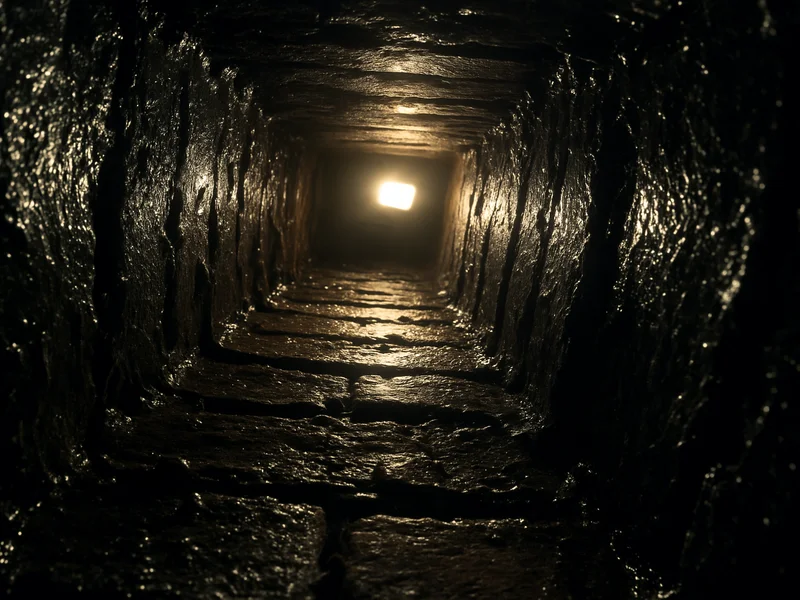
Creosote removal and a documented Level 1 inspection on every visit, in a town where most flues are older than the people who own them.
Send a photo of the firebox and roughly how many cords you burned last winter. We'll tell you whether it needs a sweep or just an inspection.
Get a Free QuoteA sweep is two jobs pretending to be one. The visible half is removing creosote and soot from the flue, smoke shelf and firebox. The half that actually matters is looking at what the brush uncovers: cracked tiles, a failed crown, gaps at the thimble, a liner that stopped being continuous some time in the 1970s. We do both on every visit, and the inspection is not an upsell attached to the cleaning - it is the reason for it.
The work is straightforward when it is done properly. We seal the fireplace opening, run a HEPA vacuum for the duration, and brush from the top down with rotary rods so debris falls where it is contained rather than into the room. Where roof access is unsafe or the pitch is genuinely dangerous, we work from below and say so rather than pretending the result is identical.
| Job | Typical price |
|---|---|
| Single flue, ground-accessible | $180 - $230 |
| Single flue, steep or two-story roof access | $230 - $280 |
| Second flue, same visit | +$90 - $130 |
| Level 2 camera inspection (sale, or after a chimney fire) | $250 - $400 |
| Cap or spark arrestor replacement | quoted on findings |
Draft is a function of the temperature difference between flue gas and outside air, and of air density. At Butte's elevation the air is roughly seventeen percent thinner than at sea level, which means the same fire produces measurably less draft than the appliance manual assumes. Weaker draft means slower, cooler exhaust, and cooler exhaust means unburned volatiles condense on the flue wall instead of leaving the building. That is creosote, and elevation quietly accelerates it.
The second-stage and third-stage deposits - the tarry and then glazed kinds - are the ones that matter, because they are what actually sustains a chimney fire. Glazed creosote does not come off with a brush; it needs a rotary chain head or a chemical modifier applied over several burns, and sometimes it means the liner is finished. We would rather find that in September with a camera than in January with a fire.
What makes Butte specific is not just the altitude but the pairing of altitude with a heating season that runs seven months and a housing stock where the flue was designed for a different fuel than the one now going up it. That combination is why we treat an annual inspection here as baseline rather than cautious.
Level 1 is the standard annual inspection defined by NFPA 211: readily accessible portions of the chimney, structure and connected appliance, checked for soundness, blockage and combustible deposits. It is included with every sweep we do, at no separate charge.
You usually cannot tell from the firebox. It looks like a hard, shiny black coating high in the flue and it typically comes from burning unseasoned wood or running a stove damped down overnight. We can see it as soon as the camera goes in, and we will show you the footage.
Yes. Pellet appliances need the venting and the appliance itself cleaned, and thin-wall metal pipe needs a gentler brush than masonry. Both are common in Deer Lodge and around Anaconda.
You get photographs, a written description and an honest read on urgency - whether it is safe to keep burning this season, or whether it needs to stop now. We do masonry repair and relining quotes separately, and there is no obligation to use us for the fix.
September and October go first. Call or send the form and we'll give you an honest answer on availability.